The short answer: A freight forwarder for Amazon FBA moves your stock from a Chinese factory into an Amazon fulfillment center or Amazon Warehousing and Distribution (AWD) facility by sea or air. It books the freight and handles the customs paperwork. Duties must be paid before arrival, because Amazon refuses any shipment that turns up with unpaid duties, taxes or shipping charges. Labeling is now your job or your supplier's. This guide covers shipping into Amazon's US marketplace.
The cartons are sealed and the factory wants its balance. Now someone has to decide where those boxes go. They could go straight into an Amazon warehouse, through a prep warehouse in the US first, or onto Amazon's own freight service. Each choice changes who puts the barcodes on, who pays customs, and what lands on your bill weeks later.
Picking a freight forwarder for Amazon FBA comes down to three calls: the route, the customs fees, and whether the quote in front of you is complete. Get them right and your stock checks in. Get one wrong and Amazon can turn the truck away at the dock.
What does a freight forwarder for Amazon FBA actually do, and what's still on you?
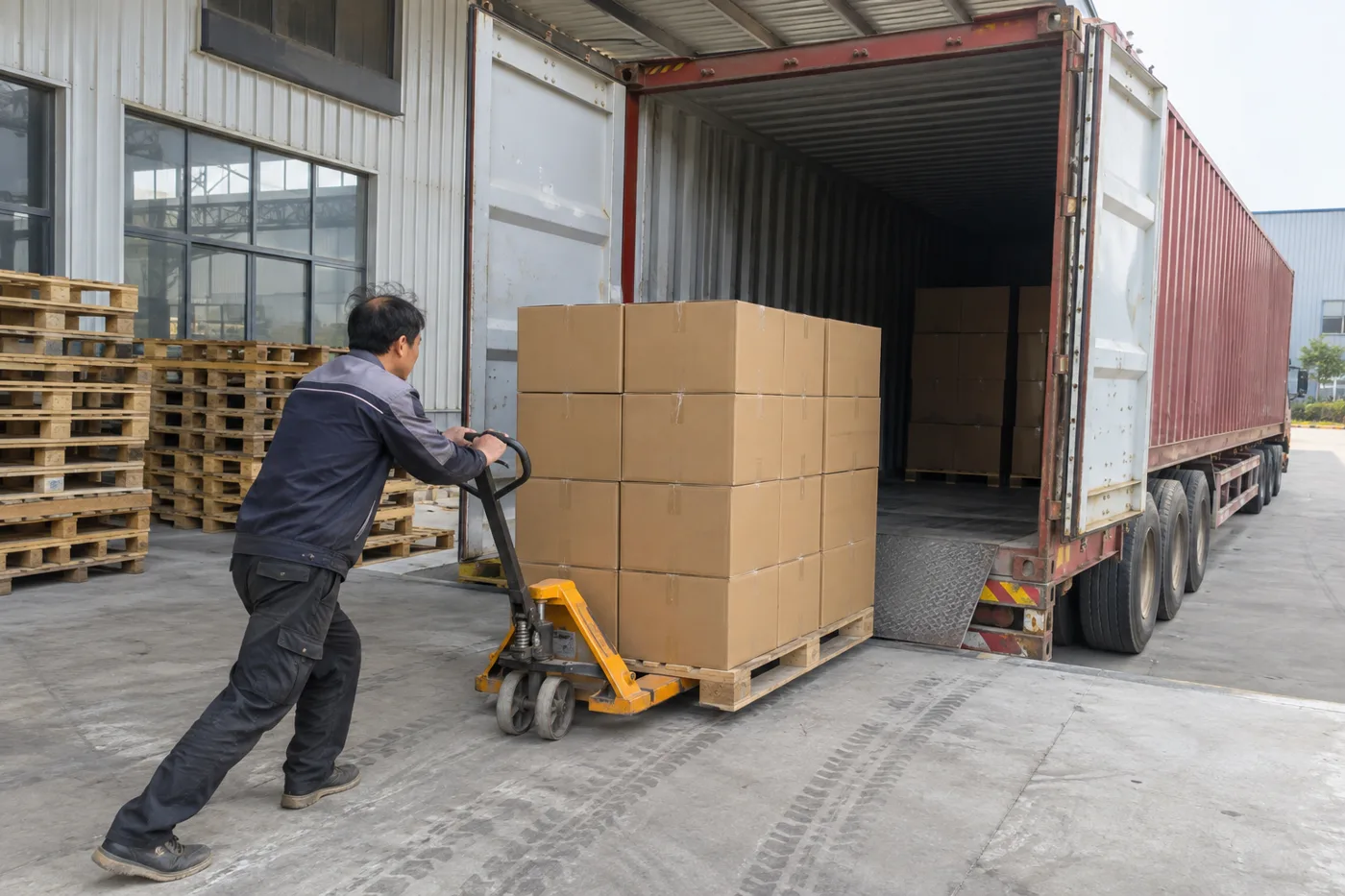
A forwarder moves the freight and the paperwork that travels with it. It books space on a ship or plane and handles export and import customs. Then it delivers to the Amazon fulfillment center or AWD warehouse your shipment plan names.
What it can't do is make Amazon carry the importer's load. An Amazon representative put it plainly on the Seller Central forums: "Amazon will not be responsible for, or collect any duties, taxes, or shipping costs, associated with FBA inventory." The same post says the importer of record (IOR), the party named on the customs entry, "is responsible for collecting and paying all customs duties, taxes, and fees."
US customs doesn't let just anyone file that entry either. CBP, the US customs agency, says entries may be filed only by "an owner or purchaser of the merchandise… or a licensed customs broker properly designated by the owner, purchaser, or consignee." So even when a forwarder "does customs," a licensed broker files it in an importer's name. If that's your name, the duty bill is yours.
The bigger change is labeling. Amazon stopped offering prep and item labeling for US FBA shipments from January 1, 2026, saying "the vast majority of Amazon sellers now handle their own packaging, including prep and item labeling." That means the job now sits with you, your supplier or a third party, not with Amazon. It covers the FNSKU barcode on each unit.
Here's how the work usually splits:
- The forwarder: booking, export clearance in China, the ocean or air leg, arranging US clearance through a broker, delivery to Amazon.
- You, or whoever is importer of record: paying duties and fees, the declared value, the product's HS code (the international classification number that sets the duty rate; the US uses a 10-digit version called the HTS code).
- You or your supplier: unit labels, carton and pallet labels, packing to Amazon's box rules.
A forwarder that ships to Amazon every week will at least know those rules. A first-time product seller on r/AmazonFBA put it this way: "Honestly using an FBA focused freight forwarder helped me a lot because they already knew the labelling/carton/pallet rules instead of me learning through rejected shipments."
Which route fits you: direct to FBA, a US 3PL, or Amazon's freight service to AWD?
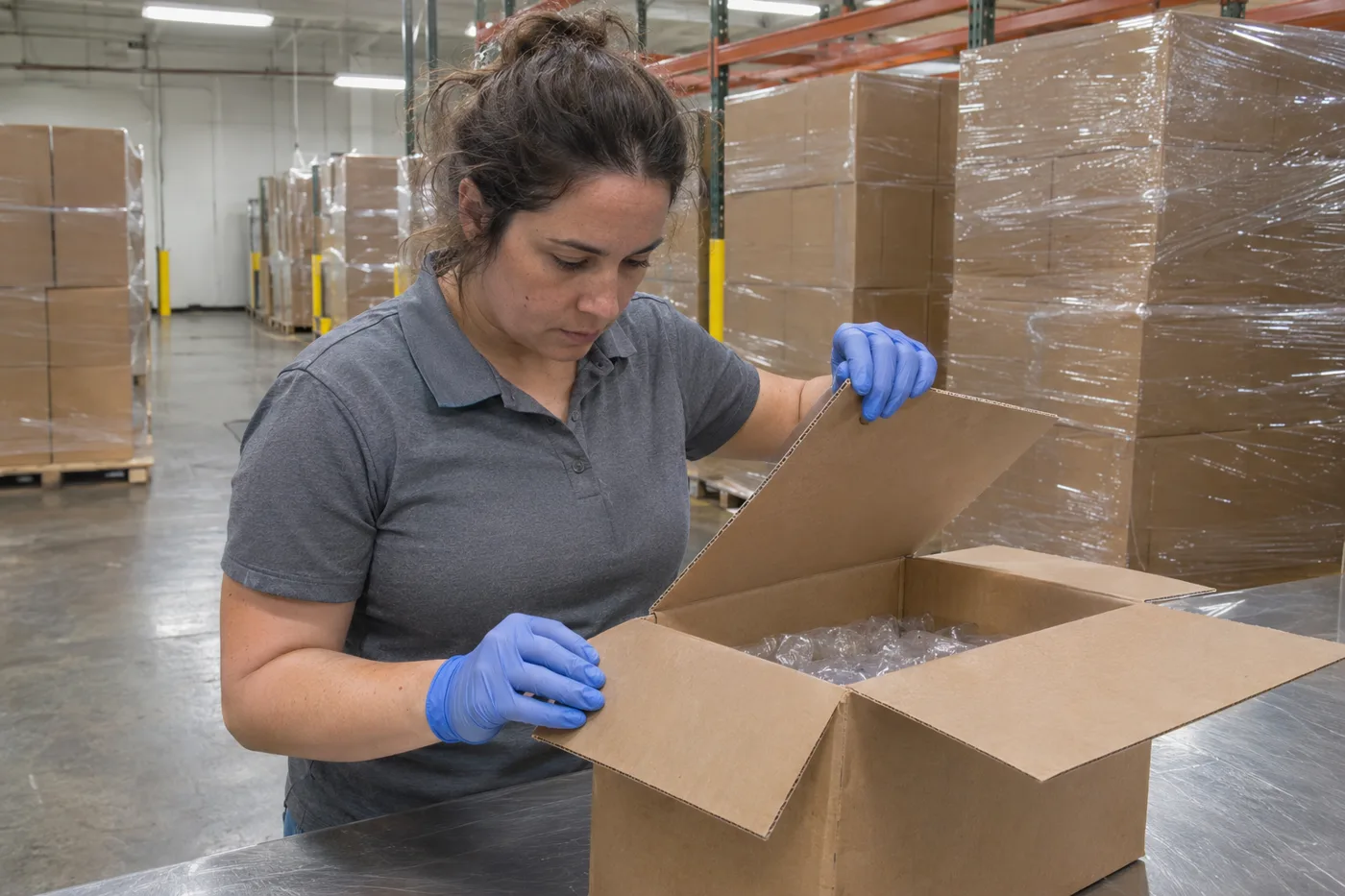
If you're new and Amazon is capping how many units of a product you can send, going through a US 3PL is usually the safer first route. A 3PL is a third-party logistics warehouse, often called a prep warehouse, that receives your goods and sends them on to Amazon. If you've imported before and trust your factory's labels, going direct is faster. If you'd rather keep freight, customs and storage inside Seller Central, Amazon's own freight service into AWD is the third path.
| Route | Fits you if | Watch for |
|---|---|---|
| Factory straight to FBA | You've shipped before, need speed, and your factory labels reliably | Nobody checks the goods or labels before Amazon does |
| Factory to a US 3PL, then FBA | It's an early order, your product's cap is low, or you want a quality check | Extra handling, more chances of damage, added days |
| Amazon Global Logistics (AGL) into AWD | You want freight, clearance and storage in one Amazon account | AWD's smaller box limit, the clearance line on the bill |
Steve Chou, who runs MyWifeQuitHerJob and a seven-figure online store he started with his wife in 2007, lays out the trade-off in a video on shipping from China. A 3PL gives you a quality check and lets you feed stock into Amazon a little at a time. The price is extra handling and extra time before your goods reach Amazon. He suggests the 3PL route for new sellers with low limits, and direct shipping for experienced importers who need speed.
Amazon's labeling change makes that advice stronger. Since Amazon no longer fixes labels for US FBA, a direct shipment depends entirely on the factory, or someone in China, labeling every unit correctly. A US 3PL is the last place a person can catch a wrong sticker before Amazon's receiving dock does.
The third route is newer to most sellers. Amazon Global Logistics is Amazon's own door-to-door ocean and air service. It runs from mainland China, Hong Kong and Vietnam to US fulfillment centers and AWD facilities. A brand shipping containers through it said on r/FulfillmentByAmazon: "We haven't had issues in the past 2 years but we do <10 containers a year." That's one account at modest volume, so read it as encouraging, not as proof. The AGL and AWD sections below cover what each costs and where it pinches.
How does shipping from China to Amazon FBA work, step by step?
Shipping from China to Amazon FBA follows the same order whichever forwarder you use. The steps below assume duties are paid before arrival and that someone in China applies the labels.
- Build the shipment in Send to Amazon. In Seller Central you create the inbound shipment and print the product and box labels. Sellers on Reddit describe the usual setup like this: the seller creates the shipment, sends the labels to the manufacturer, and the manufacturer applies them and ships direct. Sellers in that thread say most people do it this way because it's cheaper.
- Send the labels and packing rules to your supplier. Do this before packing starts, not after. The supplier section below has the checklist.
- Book the freight. Your forwarder picks up at the factory or the Chinese port, depending on your purchase terms.
- File the Importer Security Filing, for sea freight. CBP's Importer Security Filing, known as "10+2", has applied since January 26, 2009 to "import cargo arriving to the United States by vessel." CBP warns that getting it wrong "could ultimately result in monetary penalties, increased inspections and delay of cargo." Agree in writing who files it.
- Clear US customs. A licensed broker files the entry, and the importer of record pays duty and fees before delivery.
- Deliver to Amazon. The cartons go to the fulfillment center or AWD site your plan names.
How long will the trip take? That depends on the mode, the route, the carrier and the season, so take the transit time from a dated quote, not from a website. When you ask for a quote, ask where the quoted time stops: at the US port, at a warehouse, or at Amazon's door. Then plan your reorder date from the transit time in that quote.
Add time for Amazon to receive the stock, too. Amazon says a small-parcel shipment can take up to four days after its scheduled delivery date to show as "Checked In." Truck shipments, whether shared (LTL, less than truckload) or a full truckload (FTL), can take longer, especially at peak. Build that buffer into your reorder date and watch the shipment status in Seller Central once it's delivered.
Why does Amazon refuse freight with unpaid duties, and what does DDP mean?
Amazon won't accept a shipment that arrives owing money. Its stated rule is that every inbound shipment must use DDP (Delivered Duty Paid) terms, meaning the goods arrive with freight, duties and import taxes already settled. The same Amazon representative wrote: "All shipments are required to use Delivered Duty Paid (DDP), sometimes referred to as 'Free Domicile,' shipping terms."
The consequence is set out in one sentence:
"Any shipment arriving at an Amazon fulfillment center with collect charges, including any duties, taxes, or shipping costs, will be refused without further concession." (Amazon representative, Seller Central forums)
"Collect charges" means a bill meant to be paid by whoever receives the goods. Amazon is the receiver here, and it won't pay. Steve Chou describes what can happen next: "Amazon will refuse any inventory where the customs duties aren't paid and will return the shipment to China." His advice is simple: ask your forwarder for a duties-paid service.
In practice, this rule catches people in two ways:
- The last-mile truck is booked "freight collect." This happens when a carrier expects the consignee to pay on delivery.
- Duty is left for "later." This happens when the importer of record isn't sorted out and nobody has funds lined up with the broker.
Before the cargo leaves the US port, get written confirmation from your forwarder that the entry is paid and the delivery leg is prepaid. That one email is cheaper than a refused truck.
Who is the importer of record if your company isn't based in the US?
A company based outside the US can be importer of record for goods entering the US, but only on conditions. Those conditions get tighter on January 5, 2027. If your business is based in the UK, Canada, Australia, Europe or elsewhere and you ship into Amazon US, this section decides whether your goods can enter at all.
The existing rule lets a nonresident company enter goods only if it "has a resident agent in the State where the port of entry is located who is authorized to accept service of process." Service of process means receiving legal papers on your behalf. You also need a customs bond, filed on CBP Form 301, backed by a US resident surety company.
The new rule adds a broker requirement. CBP's interim rule, "Heightened Requirements for Foreign Importers of Record," takes effect January 5, 2027. From that date, foreign importers that are not validated under CTPAT, CBP's supply-chain security program, "must designate a customs broker licensed under 19 U.S.C. § 1641 and validated through the CTPAT program to make entry."
It will force some sellers to change how they import. Troutman Pepper Locke, a law firm, reports CBP's own estimate that roughly one-third of foreign importers of record will lose their current path to entry unless they use a CTPAT-validated broker. The good news, in Flexport's summary of CBP's figures, is that 68% of foreign importers already use a validated broker. Only 0.4% are validated themselves.
What to do, in this order:
- Ask your broker, in writing, whether it is CTPAT-validated. If it isn't, line up one that is before January 5, 2027.
- Check your importer registration. This is CBP Form 5106. CBP says it "may immediately void an associated IOR number" if that information is inaccurate or incomplete.
- Confirm your resident agent and bond are current.
- If you have a US company or a US partner, ask your broker about making it the importer. Flexport suggests sellers "consider moving IOR to your U.S. buyer." That fits only if you actually have a US party willing to take on the duty bill.
Don't assume your forwarder will step in as importer. Rael, a business development manager at an importer-of-record company for Amazon sellers, said in an interview on Amazon Sellers Society: "The shipping companies, the freight forwarders, they don't want to take on customs liability." Ask the question early, because the answer shapes which quotes are even usable.
What must your supplier label, pack and photograph before it ships?
Amazon no longer does this prep for US FBA, so decide who will: your supplier or a prep warehouse. If it's your supplier, send them this list with the purchase order, not with the shipping notice.
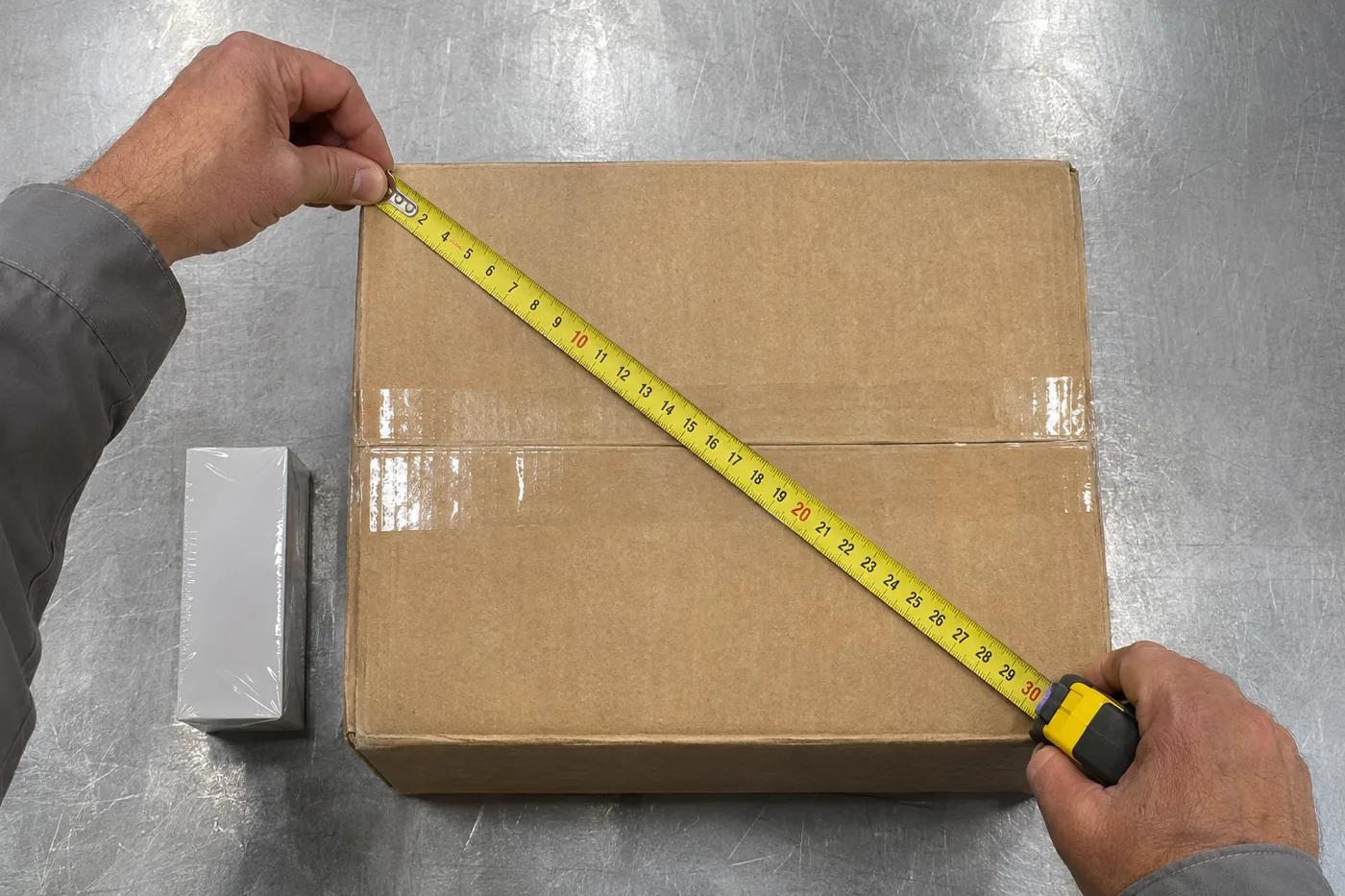
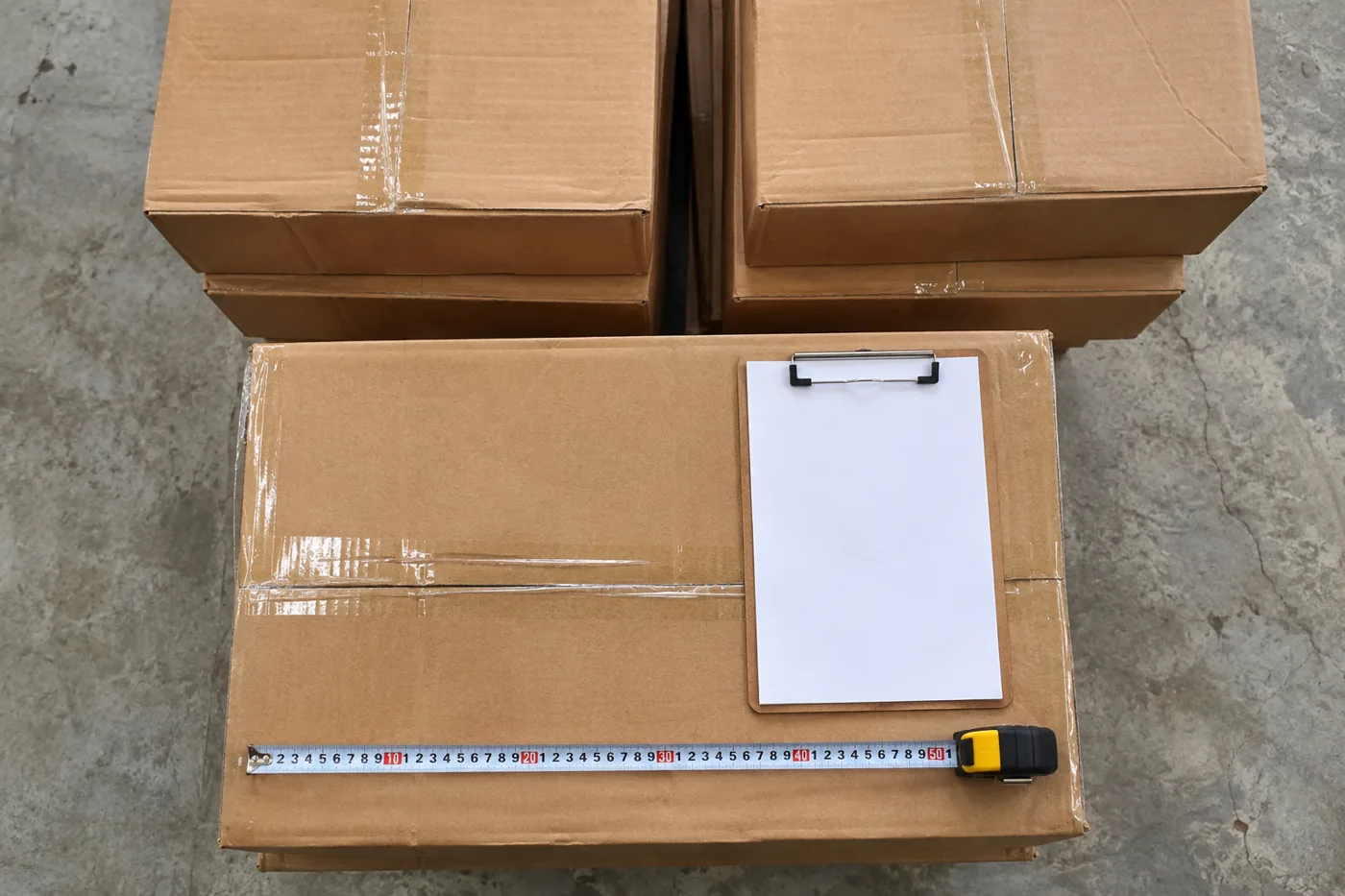
- Box size for FBA: no bigger than 36 x 25 x 25 inches and no heavier than 50 lb. Amazon set these limits from June 20, 2025, adding: "This change is for FBA shipments only."
- Box size for AWD: still 25 x 25 x 25 inches and 50 lb. A 36-inch FBA box won't do for AWD.
- FNSKU label on every unit. The FNSKU is the Amazon barcode that ties each unit to your listing. Since January 1, 2026, Amazon no longer applies these for US FBA, as Supply Chain Dive reported.
- Carton and pallet labels printed from your Send to Amazon shipment, on the right boxes.
- ISPM 15 pallets. ISPM 15 is the international standard for wood packaging. USDA's plant health service, APHIS, says wood packaging must be debarked, heat-treated or fumigated, and stamped with the ISPM 15 mark. Wood that doesn't comply can be refused entry, destroyed or sent back. Ask your supplier for heat-treated, stamped pallets and confirm the details with your broker.
- Photos of every box and pallet before pickup, showing labels clearly.
The last two come straight from Steve Chou's checklist for direct shipments. He says the supplier should apply product, carton and pallet labels and send photos of every box and pallet. On wood, he's specific: "Make sure your supplier uses pallets that meet ISPM 15 regulations."
The photos are your evidence if Amazon later says a label was missing. Ask for them before you release the balance.
Should your first shipment be inspected before it leaves China?
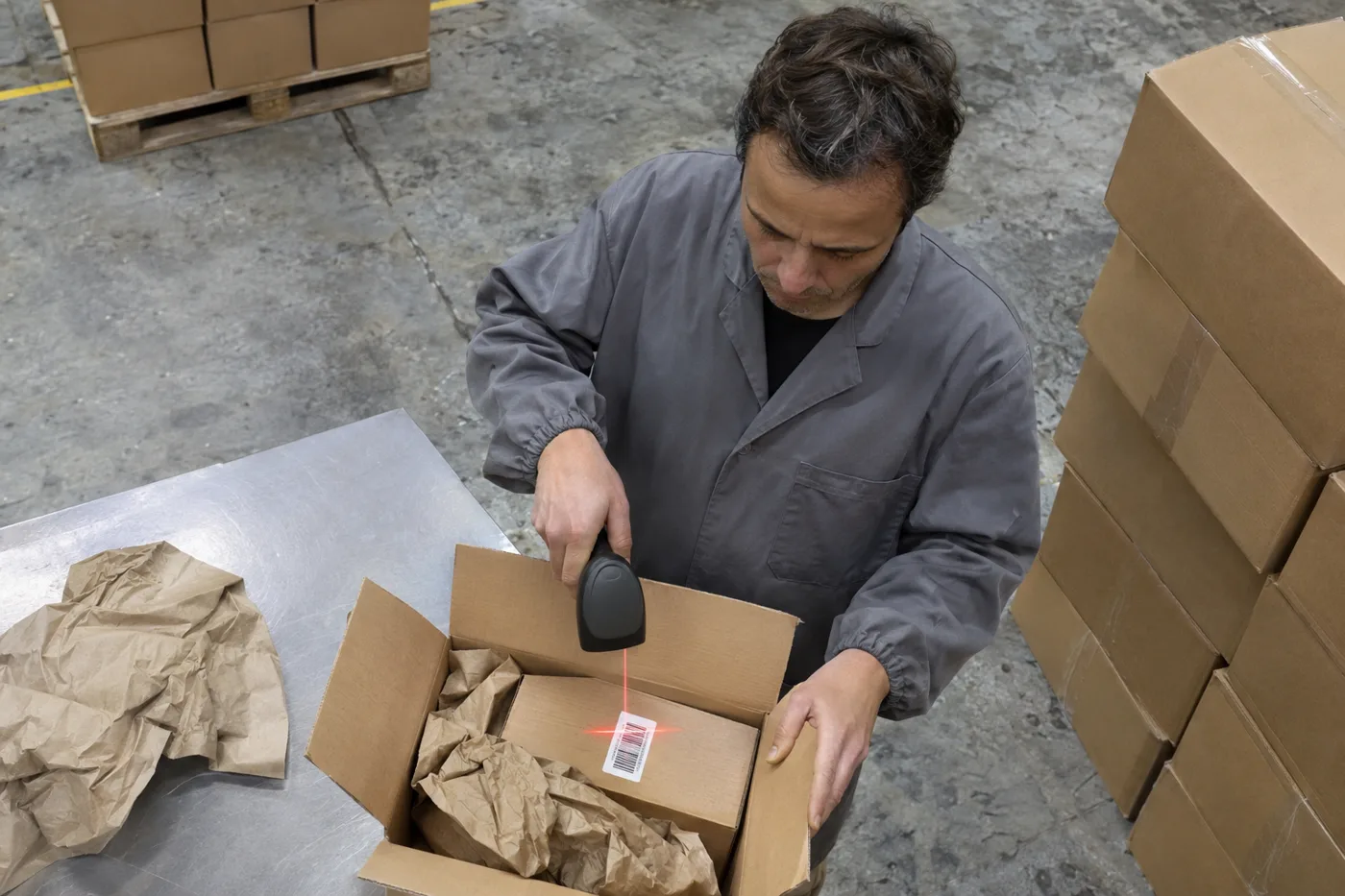
For a first order going straight to Amazon, yes. Someone should check it before it ships. Sellers on Reddit split on how: some wanted an inspector at the factory. Others preferred to open the cartons themselves in the US first.
A seller launching their own product said on r/FulfillmentByAmazon: "Quality in China is a moving target and given that this is your launch everything has to be as perfect as possible." A private-label seller who shipped direct to Amazon at the start, with no check in between, described what that cost them: "I paid a huge price for like 3 months and drained a lot of my earnings for those 3 months."
Timing matters more than the firm. The AMZ Research's inspection guide says to inspect "after production is 100% complete and before you pay the balance." That way you still have leverage. The same guide says the FNSKU should be "scanned with an actual scanner and photographed mid scan, not eyeballed." A barcode that looks fine but won't scan is exactly the kind of fault Amazon's receiving dock will find.
Some inspection firms publish what they charge. The AMZ Research's guide listed these prices as of August 11, 2026:
| Inspection firm | Published price per inspector-day in China |
|---|---|
| TESTCOO | $149 |
| V-Trust | $268 in major regions, $298 elsewhere |
| QIMA | From $419, including the inspector's transport, meals and lodging |
SGS, Bureau Veritas and Intertek don't publish rates, so you'll need a quote from them. Ask any firm whether travel is included, because that changes the comparison. On a small first order, one inspector-day is a modest cost next to a shipment Amazon won't take.
How much stock should you send when your inventory limits are low?
Send what Amazon lets you send, and keep the rest of the order somewhere you control. Amazon sets capacity limits based on "your IPI score, historical sales, seasonal sales trends, sales forecasts… shipment lead times, and our fulfilment centre capacity." Your actual limit sits in Seller Central, and that's the number to plan against.
Two different limits get mixed up here. The first is your capacity limit: how much space, in cubic feet, Amazon gives your account. eComEngine reports that new professional accounts on FBA for under 39 weeks don't get one (see the box below). The second is a cap on one product. Amazon can still set a maximum inventory level for a single ASIN, the product's Amazon ID, even when the account has no capacity limit. So a new account can have plenty of space and still be held to a few hundred units of a new product.
In Rael's experience, Amazon often caps a new seller's product at around 200 to 250 units per ASIN. That figure comes from his experience, not a published Amazon rule, so check your own ASIN's limit in Seller Central. His advice is to send what's allowed even if small shipments cost more in freight per unit and eat into your profit, build sales history, and move to larger, cheaper freight once limits rise. For sellers already buying full containers, he suggests storing at a 3PL and feeding Amazon from there.
Sellers on Reddit report the same habit. They keep safety stock in the US, at home or in rented space, and feed it in. Their reason: sending too much at once costs storage fees and control.
Inventory limits and storage fees at a glance
- Account capacity limits: new professional accounts on FBA for under 39 weeks don't get them; individual accounts are capped at 15 cubic feet, with overage fees of $10 per cubic foot per month (eComEngine, May 2025; confirm in Seller Central)
- FBA monthly storage: $0.56 to $4.28 per cubic foot, depending on season and size (ShipBob, June 2026)
- Low-inventory-level fee: $0.89 to $1.11 per unit (ShipBob)
- From February 1, 2027: that fee applies only below 28 days of supply, and the storage utilization and aged inventory surcharges are dropped (PPC Land)
The February change gives you a clean target. Keep at least 28 days of supply at Amazon and the low-inventory fee shouldn't apply, while anything well beyond that is storage you're paying for. Work back from your daily sales and the transit time in your forwarder's quote to set the reorder date.
Sea or air, LCL or FCL: what suits a first order and what suits a restock?
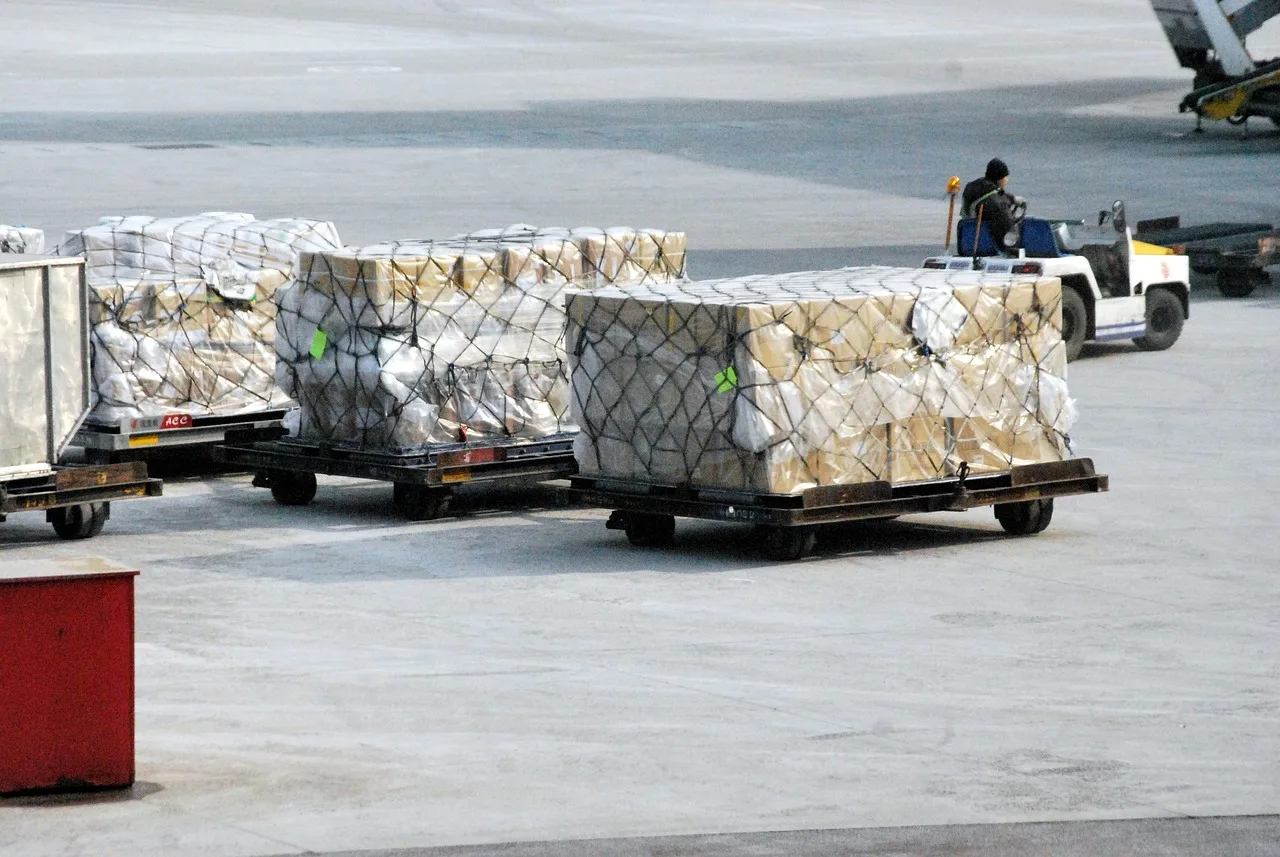
For a small first order, air or LCL usually makes more sense. For a steady restock, a full container is where sea freight pays off. LCL means "less than container load": your cartons share a container with other people's goods. FCL means "full container load": the whole container is yours. Freight volume is measured in CBM, cubic meters.
Freight prices move every week, so compare modes with a dated quote for your actual weight and volume, not a published average. You can request one here, and our chargeable weight calculator shows how air freight is billed.
Where does sea start to win? Freightos's China-to-US guide says ocean freight "becomes cost-effective for shipments over 500 kg." Below that weight, ask for both an air and a sea quote: on a first order, the speed of air often earns its price. Faster stock lets you see how the product sells before you commit to more.
On customs, air saves one fee. Air cargo doesn't pay the harbor maintenance fee that sea freight does (see the customs fees section). Choose LCL when you have a few cubic meters and want ocean prices. Accept that a shared container waits on everyone's cargo, so it usually takes longer than a full one. Check the transit time on each quote.
Should you ship to AWD instead of straight into a fulfillment center?
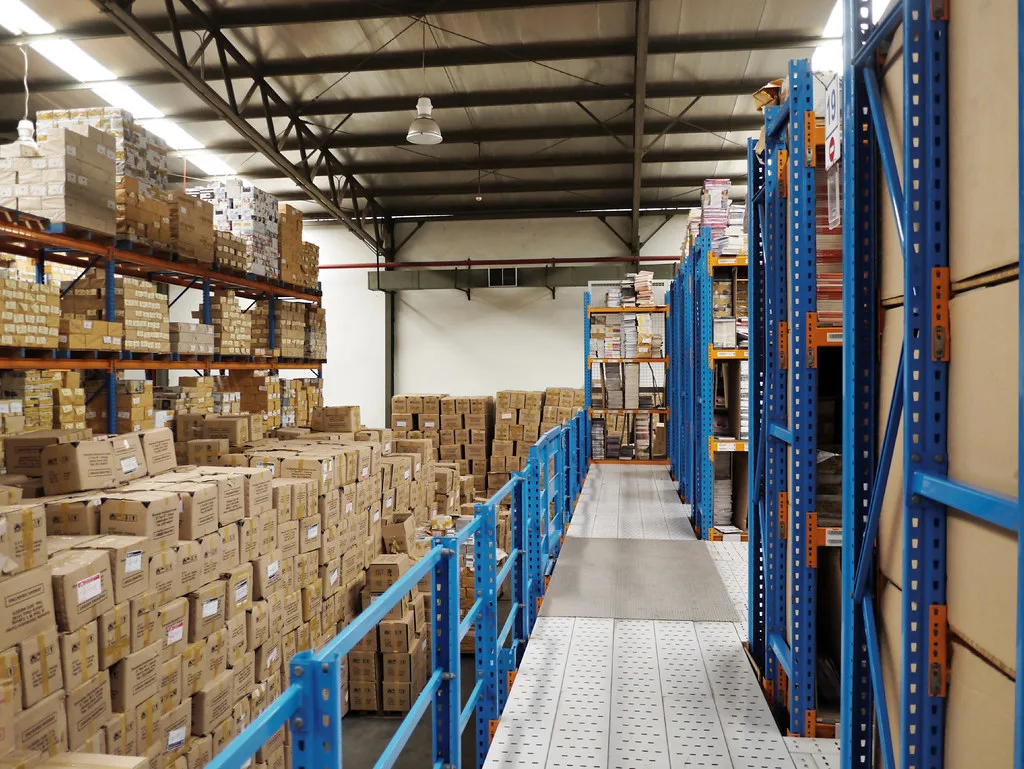
Shipping to AWD makes sense when you're sending more stock than Amazon's fulfillment centers will take at once. It also helps when you want to avoid placement fees. AWD, Amazon Warehousing and Distribution, is Amazon's bulk storage network, which restocks fulfillment centers for you.
The fee that pushes people toward it is the inbound placement fee. This is a per-unit charge when you don't take Amazon's recommended split of your shipment across several fulfillment centers. ShipBob puts it at $0.21 to $6.00 per unit, depending on size, weight, how many centers and where you send it. Taylor, a seller who runs the Taylor the Ecomm RN channel and has used Amazon's freight service, explains that sending one big shipment to a single center triggers it. Bulk freight can go to AWD instead.
Amazon's AGL page describes Ship to AWD as "a streamlined service for cross-border transportation, customs clearance, storage, and auto-replenishment to Amazon fulfillment centers." It says there's no separate FBA inbound placement charge with AWD. Amazon says Ship to AWD is currently available for shipments from China to the US, even though AGL as a whole also runs from Hong Kong and Vietnam. Taylor adds: "If you use AGL to ship to AWD you will get a discount on the shipments that have to go from AWD to the Fulfillment centers."
Three things to check before you choose it:
- Box size. AWD takes boxes up to 25 x 25 x 25 inches and 50 lb. A carton packed to the 36-inch FBA limit won't qualify, so tell your supplier which destination before packing.
- The 2027 fees. From February 1, 2027, AWD processing becomes $1.55 per box and transportation $1.58 per cubic foot, per PPC Land. From January 15, 2027, Amazon consolidates standard-size inbound into two regions, East and West.
- Storage rates. Amazon's AWD pricing lists base storage at $0.57 per cubic foot per month in the West Coast region and $0.48 in the East Coast, South East and South Central regions, with no extra charge for the October to December peak season. Confirm your current rate in Seller Central before comparing it with a 3PL.
What does Amazon Global Logistics (AGL) cost you on freight and on customs clearance?
AGL tends to be competitive on the freight leg. The line to watch is customs clearance. That's Taylor's experience: "The rates are actually really good for the freight forwarding part but in my experience they're not very good on the Customs clearance part." She also likes that everything sits inside Seller Central.
The program terms, from Amazon's AGL page:
- New-seller discount: an "8% discount on base ocean freight rates for 60 days after onboarding."
- Enrollment: you must be enrolled in FBA.
- Modes: Standard Ocean (FCL and LCL), Fast Ocean and Air.
- Managed Placement caps: Managed Placement is an AGL option where Amazon splits your stock across several US fulfillment centers for a flat per-shipment rate, with no separate inbound placement fee. It allows no more than 2,000 cartons per 40ft container and 1,000 per 20ft.
- Customs: importer-of-record details are required when you sign up. Amazon says: "We provide customs brokers to expedite customs clearance at the origin and the destination."
How a shipment is split changes the clearance charge. Threecolts gives an example: $79 per shipment when a load is split into five shipments across regions, so $395 in all. A single consolidated shipment cost $125. Those are illustrations, not Amazon's rate card. They show why you should ask for the clearance charge per shipment and per entry before you book.
The 8% lasts 60 days, so time your first booking to fall inside it. And if your company is outside the US, the January 2027 broker rule in the importer section applies to AGL shipments too. Ask whether the broker Amazon assigns is CTPAT-validated.
What US customs fees will you pay on an FBA import?
Every commercial FBA import pays customs processing fees on top of duty. The merchandise processing fee (MPF) applies to all of them. The harbor maintenance fee (HMF) applies if the goods came by sea. Then comes duty, which on Chinese goods is often the largest line.
Customs fees in four numbers (rates from October 1, 2026)
- MPF on a formal entry: 0.3464% of value, minimum $34.58, maximum $670.86 (Federal Register notice)
- The minimum applies up to about $9,984 of value; the maximum from about $193,665 (Concord Solutions Group)
- HMF: 0.125% of value, on sea cargo only, never air (19 CFR 24.24)
- Formal entry applies above $2,500; at or below that, informal entry with a flat MPF from $2.77 (CBP)
We worked out what those two fees come to at common order sizes, using the rates on CBP's user fee table. Duty isn't included.
| Entered value | Sea: MPF + HMF | Air: MPF only |
|---|---|---|
| $5,000 | $40.83 (0.82%) | $34.58 (0.69%) |
| $10,000 | $47.14 (0.47%) | $34.64 (0.35%) |
| $25,000 | $117.85 (0.47%) | $86.60 (0.35%) |
| $50,000 | $235.70 (0.47%) | $173.20 (0.35%) |
| $200,000 | $920.86 (0.46%) | $670.86 (0.34%) |
Small first orders pay a bigger share. The MPF minimum costs a $5,000 order nearly twice the percentage a $50,000 order pays. Combining two small purchase orders into one entry, where the timing allows, saves one minimum fee.
Duty is where the real money goes. It's built in layers, and the layers moved during 2026:
- The base rate for your 10-digit HTS code.
- The China tariffs set by the US Trade Representative under its trade-law powers (Section 301). These are 25% for products on Lists 1 to 3 and 7.5% for List 4A, as of October 26, 2026.
- An extra 12.5% on Chinese-origin goods since July 24, 2026, from a forced-labor trade action by the US Trade Representative. It stacks on top of the others, per a CBP trade notice.
Some earlier tariffs are gone. On February 20, 2026, the Supreme Court ruled 6 to 3 that the emergency-powers law the government had used, known as IEEPA, "does not authorize the President to impose tariffs." WilmerHale reports that this struck down the reciprocal tariffs and the China fentanyl tariffs, and left refund claims to be handled by the Court of International Trade.
Take a $10,000 order of a List 3 product with a 0% base rate. Duty alone is $3,750, and with MPF and HMF by sea you're at about $3,797 before the broker's fee. These rates have changed and can change again. Have your broker confirm the rates on your exact HTS code in the week you ship.
One more change catches people who send samples by courier. CBP says duty-free treatment for imports of $800 or less "has been indefinitely suspended". Shipments of $2,500 or less now pay duty, except genuine gifts of $100 or less.
Read a DDP quote line by line before you book

A DDP quote should show each cost on its own line, so you can see your landed cost. Landed cost is what one unit costs you once it's on Amazon's shelf: product, freight, duty and every fee. A single all-in number tells you none of that.
Check for these lines:
- Freight, with the mode, the origin, and where the price stops.
- Duty, split into the base rate, the Section 301 rate and the 12.5% forced-labor rate, against your HTS code.
- MPF, and HMF if it's sea freight, matching the table above.
- Customs broker fee.
- Customs bond.
- ISF filing, for sea freight.
- Delivery to the named fulfillment center or AWD site.
- Any Amazon placement fee the route will trigger.
- US 3PL charges, if you route through a prep warehouse: receiving, checking, prep, storage and sending on to Amazon. These usually come on a separate quote from the warehouse, so ask for it.
Also check the base the quote starts from. If your supplier's price is FOB (free on board: they pay to get goods onto the ship in China) or EXW (ex works: you collect from the factory gate), the leg from China is yours to buy. Make sure the quote picks up where the supplier's price ends.
The lines that matter most legally are the declared value and whose name is on the entry. Fortune reported in April 2025 that Chinese suppliers offered US Amazon sellers to "revise the declared value on commercial invoices to help duty costs." Some pitched DDP deals that reportedly declared $5,000 to $10,000 per container. Fortune describes these proposals as customs fraud. If a duty line looks too low for your order value, ask what value is being declared. Compare it with your commercial invoice and packing list. The commercial invoice is the supplier's bill showing what you paid. The packing list shows what's in each carton.
Sellers on Reddit add their own checks. Get several quotes (three to five was the usual suggestion), check that the forwarder delivers to FBA regularly, and pin down the full cost before you agree. An Amazon seller of seven years on r/AmazonFBA put it bluntly: "Also ask for full landed cost upfront because some agents add hidden fees late."
An itemised quote isn't automatically cheaper than an all-in one. It's just one you can check, and a forwarder that won't break its number down is telling you something.
How do you spot a scam or pushy freight forwarder?
Start with the licence, then judge the behaviour. The Federal Maritime Commission (FMC) regulates companies that arrange ocean shipping. It requires them to post financial security, and you can check a firm on the FMC's list of licensed intermediaries.
Forwarder licence check
- Licensed ocean freight forwarder: $50,000 in proof of financial responsibility
- US-based NVOCC (a company that issues its own bill of lading and resells ship space without owning ships): $75,000
- Non-US NVOCC that is registered with the FMC but not licensed: $150,000
- Shipping in US-China trade: an extra $50,000 added to the NVOCC bond (a rider), available to pay fines and penalties (FMC)
Ask for the firm's FMC licence or OTI (ocean transportation intermediary) number and look it up yourself. A non-US firm may be registered rather than licensed, but it should still appear on the FMC's list. Don't accept a screenshot. The FMC has been blunt about firms that skip this: "Unlicensed companies are not authorized to provide international ocean shipping services." That 2017 warning was about personal shipments, but the rule is the same for FBA freight.
The behaviour test comes from what sellers report. New sellers on Reddit said they don't trust forwarders found on Alibaba. One said they were scammed and the platform did nothing. Across five forwarder-recommendation threads, posts from China-based agents sharing WhatsApp numbers and "DM me" offers outnumbered real seller experiences.
So treat an unsolicited message offering a low rate the way you'd treat any cold pitch. A forwarder worth using will give you a licence number, an itemised quote, and a straight answer about who files your customs entry.
Questions to ask a freight forwarder before you book
Put these to every forwarder you're comparing, by email, so the answers are in writing:
- Whose name goes on the entry as importer of record, and what value will you declare? Amazon won't be the importer, and an understated value is fraud.
- Is your US customs broker CTPAT-validated? This matters from January 5, 2027 if your company is outside the US.
- What is your FMC licence or OTI number? For sea freight, check it on the FMC's list.
- Which MPF and HMF amounts are on this quote? They should match the fee table above.
- Who files the Importer Security Filing? This applies to every sea shipment.
- Are you packing to FBA or AWD box sizes? That's 36 inches for FBA, 25 for AWD.
- Who applies the FNSKU labels, and will I get photos?
- Who actually holds the space on the ship, and are you the NVOCC on the bill of lading? The bill of lading is the carrier's receipt and title document for your cargo.
That last question matters because there may be more firms in the chain than the one emailing you. Vitaly, who has sold on Amazon since 2014 and runs a logistics and warehousing company with warehouses in Los Angeles and New Jersey, described the chain on the Orange Klik channel. He appeared there to promote his own freight-auction platform. In his account, a US seller's quote can pass through a US forwarder, then a Chinese forwarder, then the company holding the space, each adding a margin. His view: "You can receive good price only when you compete for your delivery." Treat that as a reason to ask the question, not as proof that any given quote is padded.
He also pointed to delay from the time-zone gap and from messages being passed along. US forwarders work by email, while Chinese partners mostly use WeChat and their own apps, so every question goes through several hands. Ask who your single contact is, and how you'll see tracking without having to chase anyone.
The bottom line
If this is your first order, settle who your importer of record is before you take a single quote. If your company is outside the US, that includes a CTPAT-validated broker for anything entering from January 5, 2027. Every other decision rests on that name.
Then pick the route by stage. On a first order with low limits, route through a US 3PL or have the goods inspected at the factory before you pay the balance. Once your labels arrive right every time and your limits have grown, ship direct or use AGL into AWD, and pack to the box size of wherever the cartons are going.
Before you sign, line the quote up against the lines in the DDP checklist. Ask for the declared value in writing. Then email your supplier the label files, the box limits and a request for heat-treated, stamped pallets and photos of every carton.
Questions people also ask
How much does a freight forwarder cost?
There's no single figure, because freight prices change every week and depend on your mode, route, weight and season. Judge any quote by its landed total: freight, the forwarder's and broker's fees, duty and customs fees, each on its own line. Ask for a dated quote for your actual shipment. The customs fees are fixed by law: every formal entry pays a merchandise processing fee of 0.3464% of value (minimum $34.58, maximum $670.86), and sea freight adds a 0.125% harbor maintenance fee. Duty is often the largest single line for Chinese goods.
Does Amazon have its own freight forwarder from China?
Yes. Amazon Global Logistics ships ocean and air freight from mainland China, Hong Kong and Vietnam to US fulfillment centers and AWD facilities. New sellers get an 8% discount on base ocean rates for 60 days after onboarding, and you must be enrolled in FBA. You still supply importer-of-record details, and Amazon assigns customs brokers.
Can I ship directly from Alibaba to Amazon FBA?
Yes, as long as the shipment arrives with everything paid, because Amazon refuses shipments that turn up with collect charges for duties, taxes or shipping. Since January 1, 2026, Amazon also no longer preps or labels items for US FBA, so your supplier or a prep partner must apply FNSKU and carton labels. For a first order, having the goods checked before they ship is worth the cost.
Is DDP better for Amazon FBA?
Duty-paid delivery isn't optional for Amazon FBA: Amazon says all shipments must use DDP terms. The question is which DDP quote to trust. Fortune reported that some Chinese suppliers' DDP offers relied on understating declared values, which is customs fraud. Ask for duty, fees and the declared value on separate lines.
How long does shipping from China to Amazon FBA take?
It depends on the mode, the route, the carrier and the season, so take the transit time from a dated quote rather than a website, and ask where that time stops: the US port, a warehouse or Amazon's door. Request a quote and plan your reorder date from the transit time it gives. Then add a buffer for Amazon to receive the stock. Amazon says a small-parcel shipment can take up to four days after its scheduled delivery date to show as "Checked In," and truck shipments can take longer, especially at peak.
Do I need an importer of record for Amazon FBA?
Yes. Amazon won't act as importer or pay duties, and the importer of record is responsible for paying them. A company based outside the US can be the importer if it has a US resident agent and a bond backed by a US resident surety. From January 5, 2027, a foreign importer that isn't CTPAT-validated must also use a CTPAT-validated licensed broker.
---